Exploring the Connection Between Horses and Dolphins

The world is filled with fascinating creatures, each with unique traits and behaviors. Among them, horses and dolphins stand out not only for their intelligence but also for their deep emotional connections with humans. While they inhabit vastly different environments—horses on land and dolphins in the ocean—there are intriguing parallels in their behavior, social structures, and interactions with people. This blog post delves into the remarkable connections between these two species, exploring their similarities and the lessons we can learn from them.
The Intelligence of Horses and Dolphins
Both horses and dolphins are renowned for their high intelligence. This cognitive ability allows them to learn complex tasks, communicate effectively, and form strong social bonds.
Horses: The Intelligent Companions
Horses have been companions to humans for thousands of years. Their intelligence is evident in their ability to learn commands, navigate obstacles, and even understand human emotions. Research shows that horses can recognize human facial expressions and respond accordingly. For example, they may become more relaxed when interacting with a smiling person compared to someone with a frown.
Dolphins: The Ocean's Geniuses
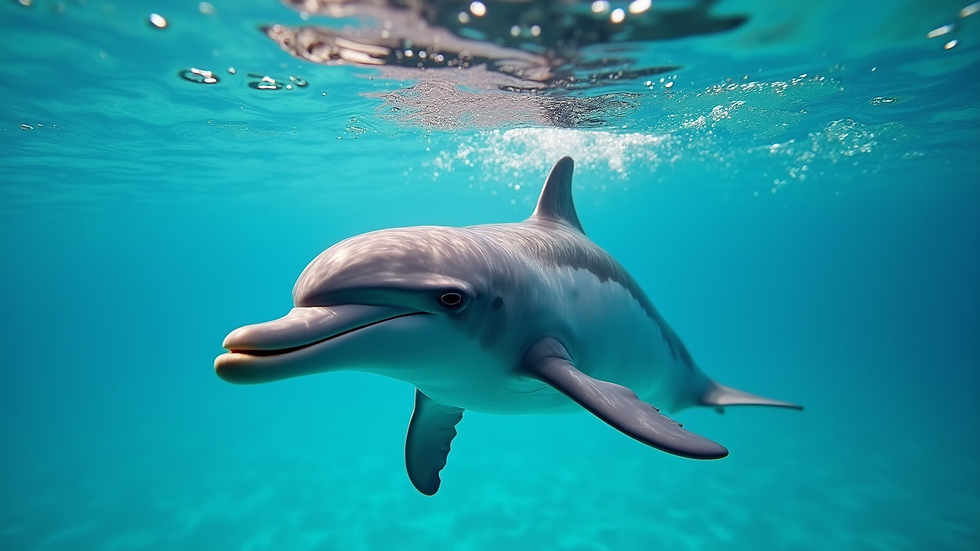
Dolphins, on the other hand, exhibit remarkable problem-solving skills and social intelligence. They use sophisticated vocalizations to communicate with each other, and studies have shown that they can understand abstract concepts. For instance, dolphins can follow complex instructions and even recognize themselves in mirrors, indicating a level of self-awareness that is rare in the animal kingdom.
Social Structures and Relationships
Both horses and dolphins thrive in social environments, forming strong bonds within their groups. Understanding these social structures can provide insights into their behavior and emotional needs.
The Herd Dynamics of Horses
Horses are herd animals, which means they prefer to live in groups. Within a herd, they establish a hierarchy, with dominant and subordinate members. This social structure helps them protect each other from predators and fosters strong relationships. Horses communicate through body language, vocalizations, and even subtle facial expressions. For example, a horse may pin its ears back to signal discomfort or aggression, while a relaxed posture indicates calmness.
The Pod Life of Dolphins
Similarly, dolphins live in pods, which are social groups that can range from a few individuals to several dozen. These pods are often matriarchal, with older females leading the group. Dolphins engage in cooperative hunting, play, and social bonding, showcasing their strong emotional connections. They use a variety of clicks, whistles, and body movements to communicate, allowing them to coordinate activities and maintain social ties.
Emotional Depth and Empathy
One of the most striking similarities between horses and dolphins is their emotional depth. Both species exhibit empathy and can form deep emotional connections with humans and each other.
Horses: Empathetic Creatures
Horses are known for their ability to sense human emotions. They can pick up on subtle cues, such as changes in body language or tone of voice. This sensitivity allows them to respond to human emotions, providing comfort and companionship. Many therapeutic riding programs utilize horses for their calming presence, helping individuals with emotional or physical challenges.
Dolphins: Emotional Intelligence
Dolphins also display empathy, often helping injured or distressed members of their pods. They have been observed supporting sick individuals by bringing them to the surface for air. This behavior highlights their strong social bonds and emotional intelligence. Additionally, dolphins have been known to interact playfully with humans, showcasing their friendly nature and desire for connection.
Training and Communication
The training methods used for horses and dolphins reveal much about their intelligence and ability to communicate.
Training Horses: Building Trust
Training horses often involves establishing trust and understanding. Techniques such as positive reinforcement help horses learn commands and behaviors. For example, a horse may be rewarded with treats or praise for successfully completing a task. This approach fosters a strong bond between the horse and trainer, enhancing communication and cooperation.
Training Dolphins: The Power of Play
Dolphin training often incorporates play, making the learning process enjoyable. Trainers use a combination of verbal cues and hand signals to communicate with dolphins. For instance, a trainer might use a whistle to signal a specific behavior, rewarding the dolphin with fish or praise. This method not only teaches dolphins new skills but also strengthens the bond between trainer and animal.
The Therapeutic Benefits of Horses and Dolphins
Both horses and dolphins have been utilized in therapeutic settings, providing emotional and physical benefits to individuals.
Equine-Assisted Therapy
Equine-assisted therapy involves interactions between horses and individuals seeking therapeutic support. This type of therapy can help with anxiety, depression, and PTSD. The presence of a horse can create a calming environment, allowing individuals to express their emotions and build confidence. Activities such as grooming, riding, and simply being around horses can have profound effects on mental health.
Dolphin-Assisted Therapy
Dolphin-assisted therapy is another innovative approach that has gained popularity. This therapy often takes place in marine environments, where individuals interact with dolphins. The playful nature of dolphins can promote relaxation and joy, making it an effective tool for individuals with special needs or emotional challenges. Research suggests that interactions with dolphins can lead to improved mood and social skills.
Conservation and Protection
As we explore the connections between horses and dolphins, it is essential to consider the conservation efforts aimed at protecting these remarkable species.
Protecting Horse Breeds
Many horse breeds are at risk due to habitat loss and changing agricultural practices. Organizations dedicated to horse preservation work to maintain genetic diversity and promote responsible breeding practices. By supporting these initiatives, we can help ensure that future generations can enjoy the beauty and companionship of horses.
Dolphin Conservation Efforts
Dolphins face numerous threats, including habitat degradation, pollution, and hunting. Conservation organizations are working tirelessly to protect dolphin populations and their habitats. Efforts include advocating for marine protected areas, reducing plastic pollution, and raising awareness about the importance of preserving marine ecosystems. Supporting these initiatives is crucial for the survival of dolphins and the health of our oceans.
Conclusion
The connection between horses and dolphins is a testament to the incredible intelligence, emotional depth, and social structures of these remarkable animals. By understanding their similarities, we can foster deeper connections with them and appreciate the lessons they offer. Whether through equine-assisted therapy or dolphin interactions, both species have the power to heal and inspire.
As we continue to explore the bonds between humans and animals, let us remember the importance of protecting these creatures and their habitats. By advocating for their conservation, we ensure that future generations can experience the joy and companionship that horses and dolphins bring to our lives.


Comments